Yacht
Brokerage
Refined
Strategic guidance for buyers and sellers who expect more.
View All Listings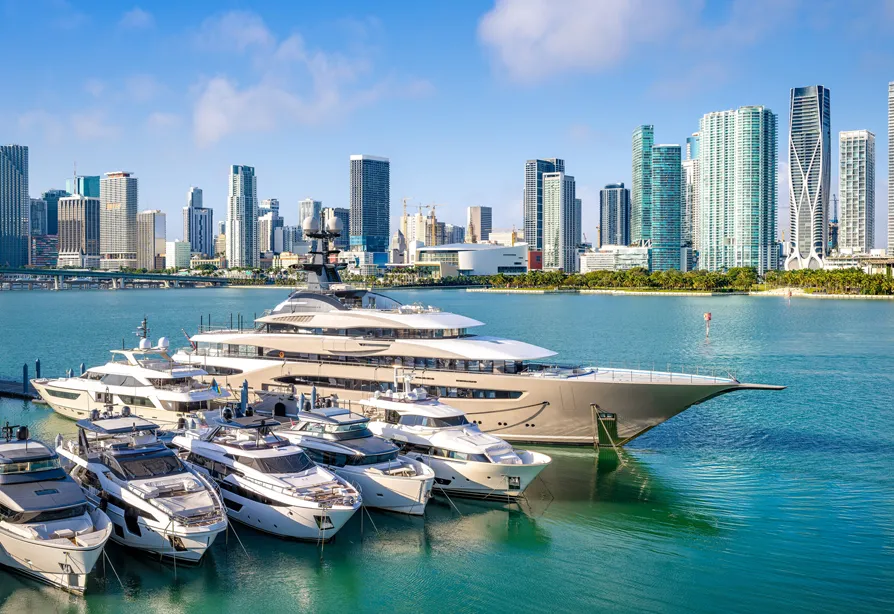

Who We Are
Great Southern
Yacht Company
Yacht Company
At Great Southern Yachts, we combine deep market knowledge, hands-on experience, and a relationship-first mindset to help you navigate every choice with clarity—becoming your trusted partner for every boat, every season, and every chapter ahead.


Exceptional Yachts
We represent quality cruising yachts, sportfishing vessels, sailboats, and luxury express cruisers. Each vessel we bring to market is thoughtfully positioned and represented with a clear strategy.

Experienced Advisors
Our team of seasoned brokers and captains brings decades of experience both on the water and in the yacht market. We guide buyers and sellers with insight, discretion, and trusted relationships.

True Boating Experience
We are active boaters who understand the vessels we represent from firsthand experience. That practical knowledge allows us to evaluate yachts carefully and advise clients with confidence.
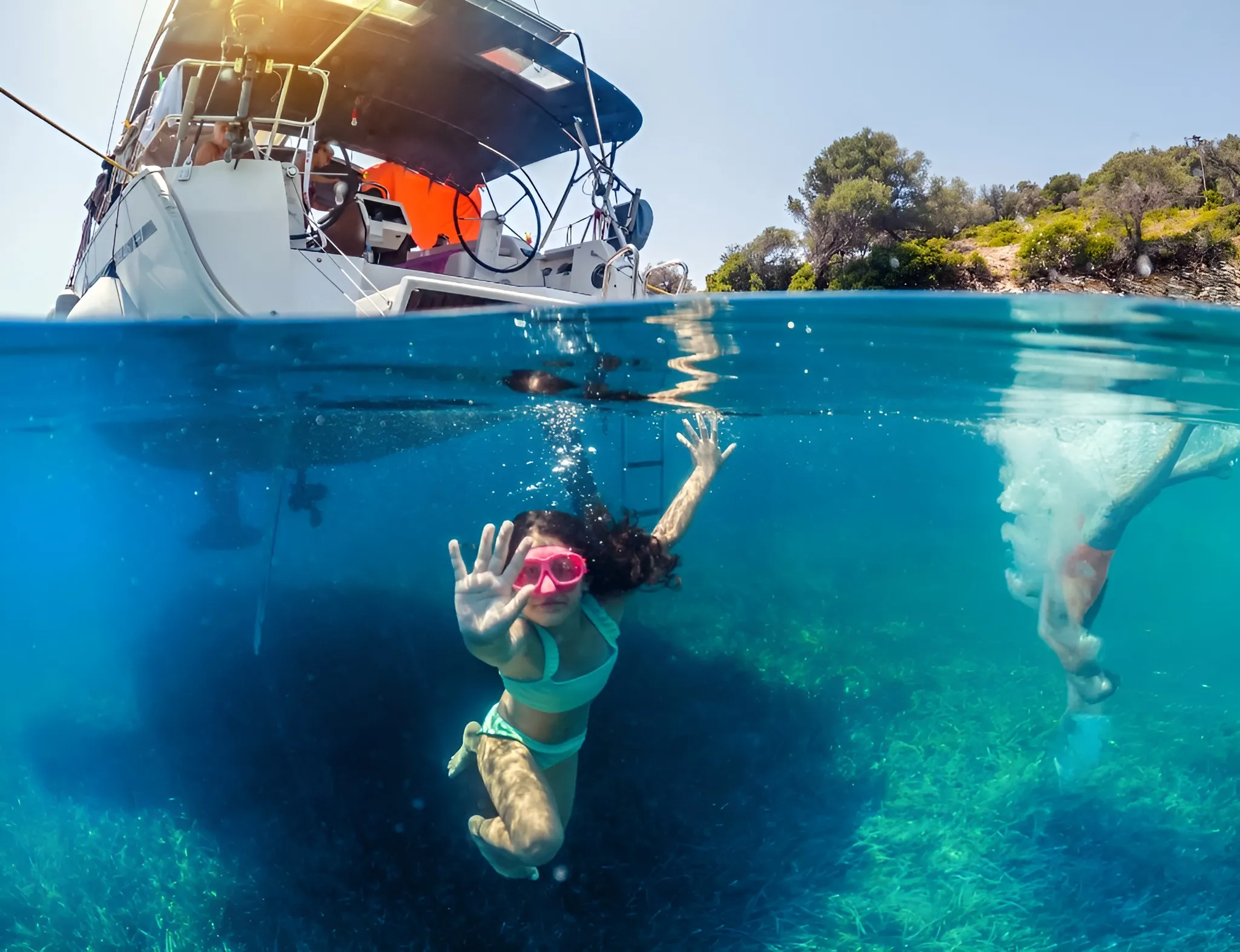
Boats / Yachts For Sale
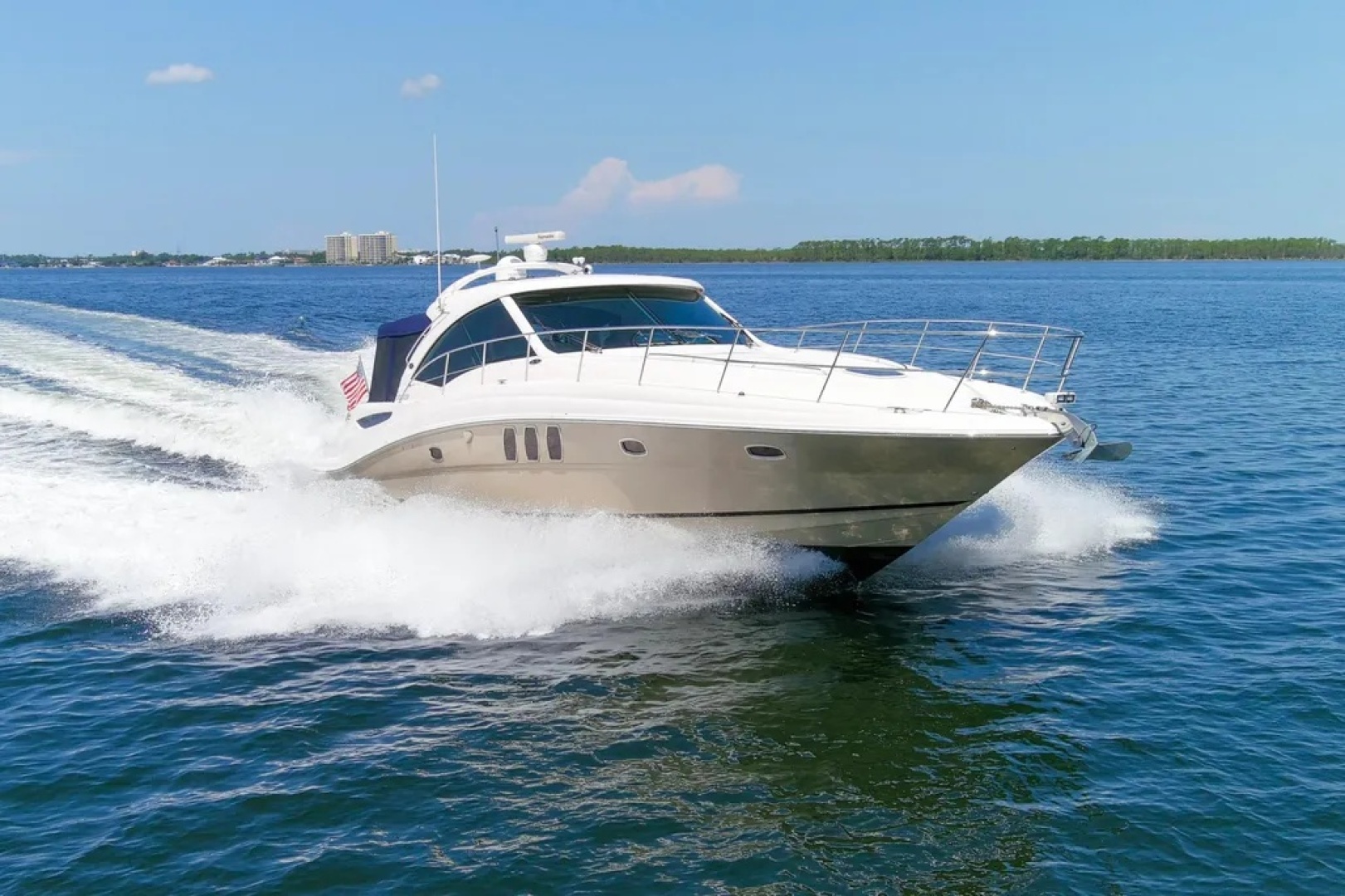
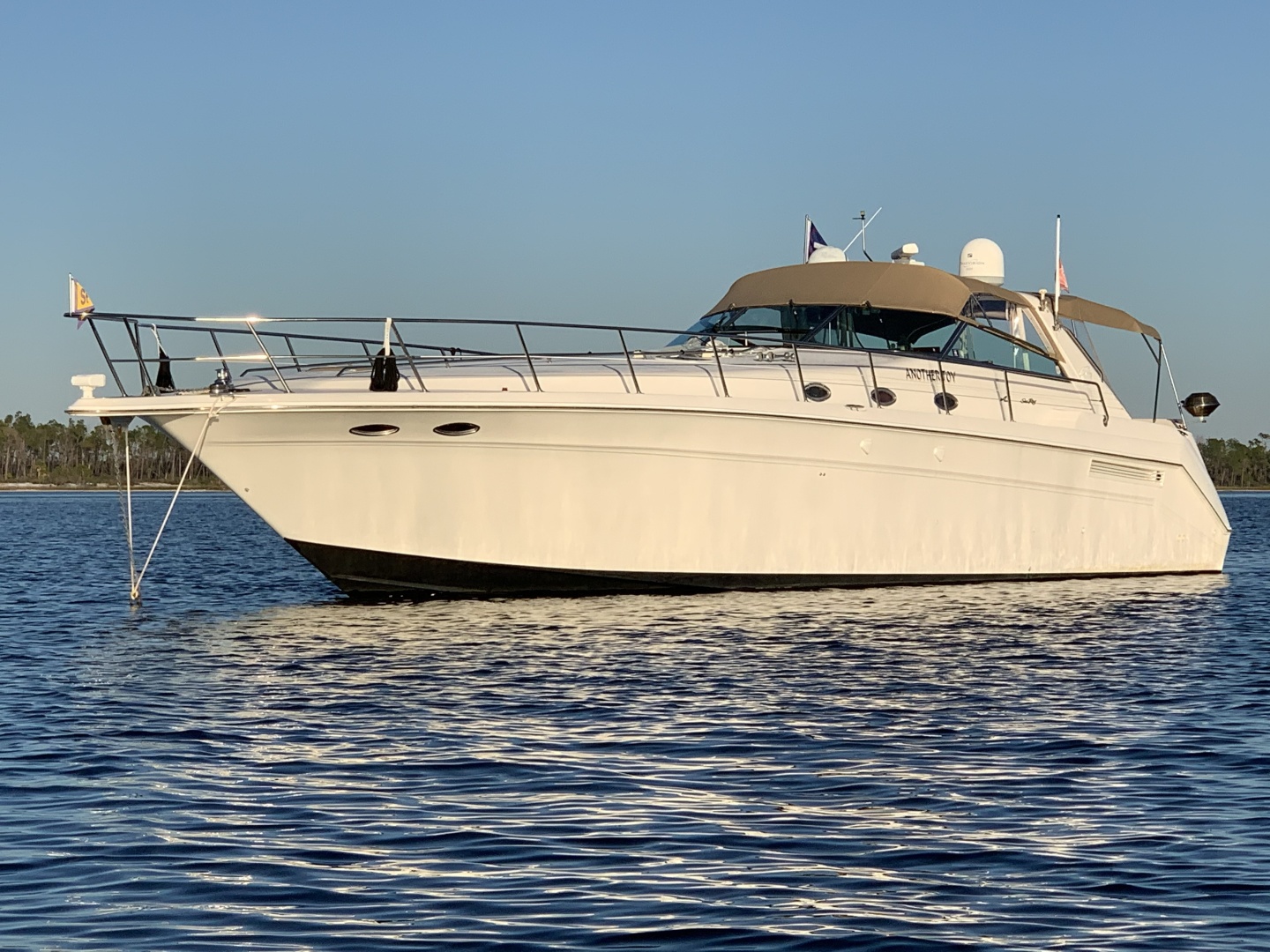
This may be one of the nicest 48 Sundancers currently available. Immaculately maintained with low hours and consistent updates, it shows true pride of owners...

The owner has meticulously maintained this 500 for 20 years. Gulf Coast Marine Service (John Hice) has conducted a “monthly” inspection and report...
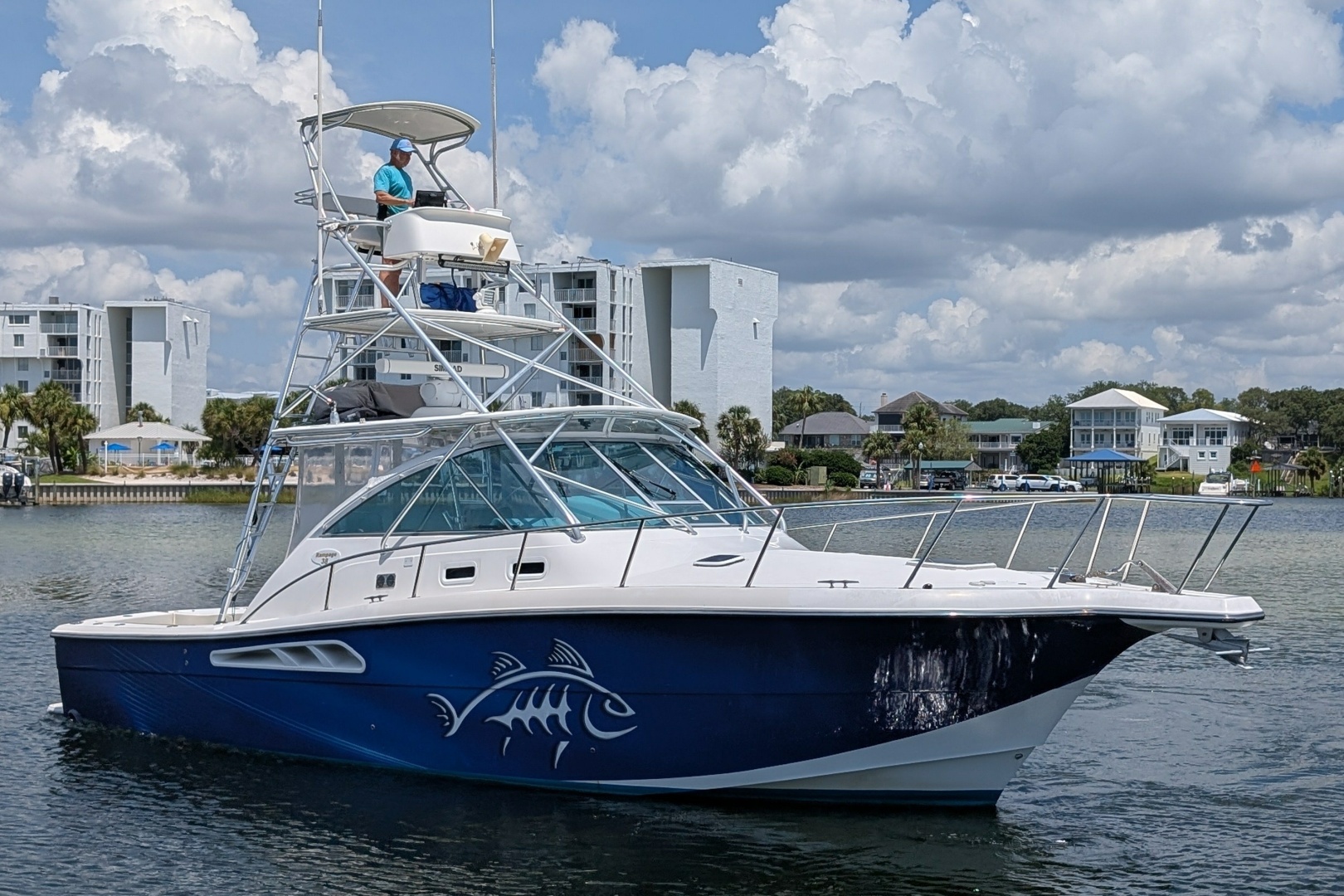
2005 Rampage 38 Express $179,000 | Destin, Florida TWIN CUMMINS QSC 8.3 540 HP DIESELS, REBUILT APPROXIMATELY 350 HOURS AGO 2,200 CURRENT ENGINE HOURS REBUIL...
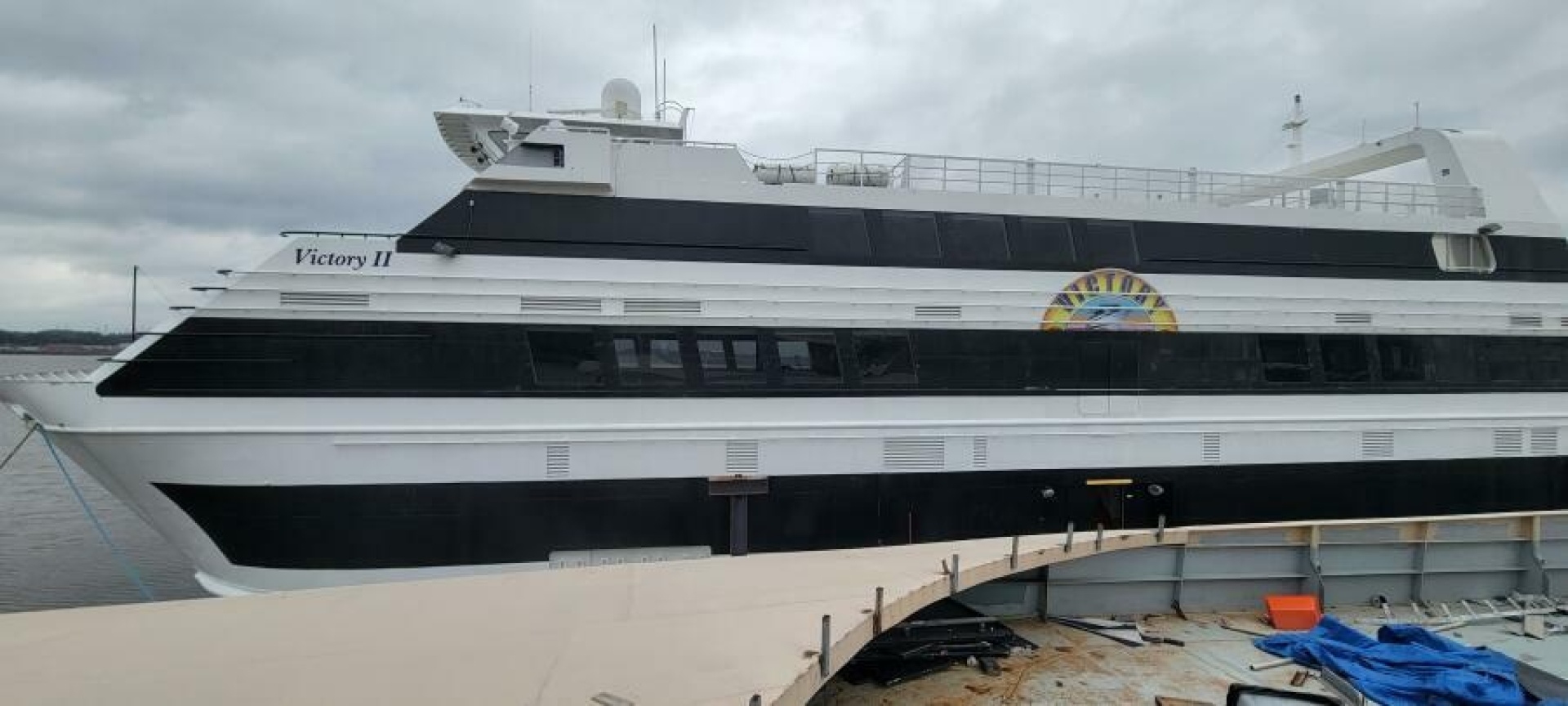
The Victory 11 is an outstanding value vessel that can accommodate up to 600 passengers The Victory 11 is an outstanding value vessel that can easily host la...
A Different Approach to Yacht Brokerage
We don't just list boats—we guide decisions. Every client relationship is built on transparency, experience, and a long-term perspective that goes beyond the transaction.
Members
Your Trusted Crew at






Testimonials
What our clients say



Chris Sailors is a pleasure a work with. An outstanding guy that follows up, and does whats best for the customer. He is very knowledgeable about his boats, and takes the time to make sure its the right boat for you. I wouldnt hesitate to work with Chris again!
Great Southern Yacht Company is awesome to work with to sell or purchase a boat. I have purchased two boats with them and sold one. All of the employees from the C-Suite to the brokers and staff are pleasant and terrific. My broker is Mike Hinze. He is also a yacht captain and has worked in the business his entire career. They substantially and consistently exceed my expectations.
Chris Sailors is the most competent individual I have experienced in the Marine industry. From choosing the best vessel to most reasonable financial options there is no better. I have purchased from Chris and plan to again.
Steve and his staff are so easy to work with. They skillfully guided me through the sale of my vessel, from pricing and marketing to contracts and delivery upon sale. I can highly recommend Steve and his staff at Great Southern Yacht Co.
Tom Arnold is professional, knowledgeable, and detail oriented. I highly recommend Tom for any of your brokerage needs.
Great team to work with on buying and selling any sized yacht. Very well versed in the yacht brokerage world.
Fast and pleasant. Informative
Where We've Been
Where Will Your Next Chapter Take You?
From the Gulf Coast to international waters, we’ve guided clients through transactions around the world—with the experience to navigate it seamlessly.


Our Blog
Insights From Great Southern Yacht Company
## South Florida to 30A: Choosing Between the ICW and Offshore Hops Planning a run from South Florida to Florida’s 30A, Destin, or the Emerald Coast forces an early decision: stay inside on the Gulf Intracoastal Waterway (ICW) as much as possible, or work in selective offshore hops. For many owners, this is the first “serious” cruise on a new-to-them boat, and the route you choose will shape everything from timing and crew needs to fuel planning and marina reservations. As private yacht consultants and Destin yacht brokers, we help clients think this through before they ever close on a vessel. The “right” plan depends less on a generic opinion and more on three technical realities: - Draft (how deep your boat sits) - Air draft (height from waterline to the highest fixed point) - Crew stamina and experience Below is a practical comparison of the two primary strategies, and how those three factors shift the recommendation. --- ## The Inside Gulf ICW Route: Protected but Constrained For many boats heading toward Destin, Miramar Beach, or 30A, the natural inclination is “stay inside when you can.” The Gulf ICW between South Florida and the Panhandle offers long stretches of protected water, including: - The “inside” run from the Tampa Bay area north and west - Protected legs through Charlotte Harbor, Pine Island Sound, and portions of the Big Bend (with careful planning) ### Advantages of an Inside ICW-Focused Plan An inside-heavy plan is often preferred when: - The crew is newer to offshore conditions - The owner wants shorter daily runs - The goal is to minimize exposure to open Gulf seas Key benefits include: - **Reduced sea state exposure** Shorter fetch and land protection generally mean more predictable waves and less fatigue for crew. - **More bailout options** Frequent inlets, marinas, and anchorages give you places to stop if weather changes or the crew tires. - **Simplified navigation in marginal conditions** Modern electronics make charted channels straightforward, and visual references along the ICW can ease the learning curve for newer operators. ### Where Draft Becomes a Limiting Factor The downside of a pure ICW mindset is draft. Many Gulf ICW stretches are shallow, narrow, and subject to shifting shoals. For deeper-draft yachts, staying inside can become a constant exercise in tide watching and stress management. - **Shallow sections and shoaling** Boats drawing 5’+ must be deliberate about timing, local knowledge, and recent reports. A heavy trawler or long-range cruiser may be comfortable at 7–8 knots, but they’re less forgiving in skinny water. - **Channel management** In some areas, the “magenta line” on the chart does not reflect present-day best water. Your Destin yacht broker or captain will likely recommend updated cruising guides, recent soundings, and local marina intel before you commit to a specific inside leg. If your yacht draws 3–4 feet, the ICW opens up significantly. If you draw closer to 6 feet, a largely inside run is still possible but demands meticulous planning. ### Air Draft: Bridges Dictate Your Route Even if your water draft is manageable, air draft can make or break an ICW-centric plan. - **Fixed bridge clearances** Many parts of the ICW have fixed bridges in the 65-foot range. A sportfisher with outriggers, a motoryacht with a tall radar arch, or a flybridge cruiser with domes and antennas may find these clearances uncomfortably tight or outright impassable. - **Modifications and preparation** Lowering antennas, hinged masts, and folding biminis are often part of trip prep. If the boat can’t be “brought down” safely, selective offshore hops quickly become more attractive. When we advise clients on vessel selection with a future South Florida–to–30A run in mind, air draft is often a deciding factor in which models we recommend. --- ## Selective Offshore Hops: Flexibility and Sea Room The alternative is a blended plan: use the ICW where it makes sense, and run offshore where draft, air draft, or timing make the inside route impractical. Typical offshore hops in this context might include: - Running outside along the Southwest Florida coast when the Gulf forecast is favorable - Crossing segments of the Big Bend offshore instead of “hugging the coast” in skinny water - Using offshore legs to bypass shallow or restricted ICW segments ### Benefits of Going Outside (When Conditions Allow) A selective offshore strategy offers several advantages: - **More direct routes** You can run truer rhumb lines instead of following winding channels, saving time and fuel on certain boats. - **Freedom from bridge and shoaling constraints** Deep-draft yachts and tall motoryachts are less limited offshore, provided they can handle the sea conditions. - **Flexibility in timing** With appropriate experience and a properly equipped yacht, you can choose weather windows and run longer legs, then duck back inside when needed. ### Where Crew Stamina Becomes Central Offshore hops place a different kind of demand on the crew: - **Longer continuous watches** Even a modest day run outside requires sustained focus, particularly at night or in traffic. Fatigued crews miss cues and make poorer decisions. - **Physical and mental endurance** A crew new to offshore motion may fatigue long before the yacht does. Seas that are “fine” for the vessel can still be exhausting for people. - **Watchkeeping structure** For overnight or long-day offshore legs, we recommend formal watch rotations, clear roles, and conservative decision-making. Your 30A or Destin yacht broker, if also a USCG Master, can help you design a watch schedule appropriate to your crew size and experience. If the owner expects to operate with a small family crew or minimal professional help, we often bias toward shorter legs and more protected water, even if offshore hops are technically feasible. --- ## How a Destin Yacht Broker Weighs the Options When Great Southern Yacht Company advises a buyer planning this route, we typically walk through a structured thought process well before the closing table. ### 1. Confirm the Boat’s Capabilities We start with vessel realities: - Actual loaded draft versus listed spec - True air draft with all equipment in “cruising position” - Fuel range at realistic cruise speeds - Stabilization (or lack thereof) and sea-keeping characteristics This determines whether a Gulf ICW-heavy plan is practical or whether offshore legs are a necessity, not just a preference. ### 2. Understand the Crew and Use-Case Next, we look at: - Who will actually be aboard for the trip (family, hired captain, friends) - Offshore experience levels and comfort thresholds - Desired pace: delivery-style run vs. leisurely cruise with stops A retired couple planning to meander from South Florida to Miramar Beach over several weeks will get a different route recommendation than a professional captain ferrying a large motoryacht to a new home in Destin. ### 3. Build a Hybrid, Weather-Responsive Plan In reality, most successful runs blend both strategies: - Inside where it’s deeper, wider, and well-marked - Short, opportunistic offshore hops when a favorable forecast opens up - Built-in “abort points” and protected havens along the way Our role as private yacht consultants is to present those options clearly—what’s known, what’s discoverable, and what experience suggests—and help owners choose a plan that aligns with their comfort, not someone else’s bravado. --- ## Planning a South Florida–to–30A Run? If you’re considering a yacht purchase with a future Emerald Coast or Destin homeport in mind, route planning should shape the boat you buy. Our brokers routinely help clients match vessel characteristics—draft, air draft, range, and crew needs—to the realities of Gulf ICW cruising and offshore hops. To discuss your plans with a fiduciary-focused Florida yacht brokerage, contact Great Southern Yacht Company for a confidential consultation.
Read more